
Effective Ways to Reduce Food Waste at Home

Reducing food waste at home is a practical way to save money, conserve resources, and protect the environment. Many households throw away perfectly edible food every day without realizing the impact it can have on the planet and their budget. Fortunately, with a few mindful habits and small changes in your routine, you can make a significant difference. In this post, we will explore effective ways to reduce food waste in your home.
Understanding the Impact of Food Waste
Before diving into solutions, it’s helpful to understand why reducing food waste matters. Wasted food represents lost resources such as water, energy, and labor. Additionally, food that ends up in landfills produces methane, a potent greenhouse gas. By cutting down on waste, you contribute to environmental conservation and make better use of your groceries.
Plan Your Meals and Shop Smart
Create a Weekly Meal Plan
Planning your meals ahead of time helps avoid buying unnecessary items that might go unused. Take stock of what you already have and design meals around those ingredients. This reduces impulse purchases and ensures that you use perishable foods before they spoil.
Make a Detailed Grocery List
Once your meal plan is ready, write a shopping list based on needed ingredients. Stick to the list while shopping to minimize buying excess food. Remember to check for special deals only if you know you will use the items before they expire.
Shop Smaller, More Frequently
Instead of one big shopping trip, consider doing smaller, more frequent visits to the store. This approach allows you to buy fresh ingredients as needed, reducing the chance of spoiling food that sits too long at home.
Store Food Properly
Proper storage can extend the life of your fruits, vegetables, and other perishables.
Use Airtight Containers
Store leftovers and opened products in airtight containers to keep them fresh longer. Label containers with the date to keep track of how long the food has been stored.
Understand Food Storage Basics
Learn which foods need refrigeration and which don’t. For instance, potatoes and onions last longer in a cool, dark place outside the fridge, while dairy and meats need refrigeration.
First In, First Out (FIFO)
Arrange your pantry and fridge so older items are in front and newer ones go in the back. This practice encourages using older products before they spoil.
Use Leftovers Creatively
Instead of tossing leftovers, turn them into new meals or snacks.
Repurpose Cooked Food
Leftover roasted vegetables can become soup, stews, or salads. Day-old bread can be made into croutons or bread pudding. Be creative with how you use what you have.
Freeze Leftovers
Many cooked meals freeze well and can be a lifesaver on busy days. Portion leftovers into freezer-safe containers, label them, and enjoy later.
Manage Portions and Serve Wisely
Sometimes food waste happens when portions are too large.
Serve Smaller Portions
Start with smaller servings and encourage family members to take seconds if they’re still hungry. This reduces uneaten food left on plates.
Use Sharing Plates or Buffet Style
Allowing everyone to serve themselves can help control portion sizes and minimize waste.
Compost Food Scraps
Not all food scraps can be avoided, but composting is a great way to handle unavoidable waste responsibly.
Start a Home Compost Bin
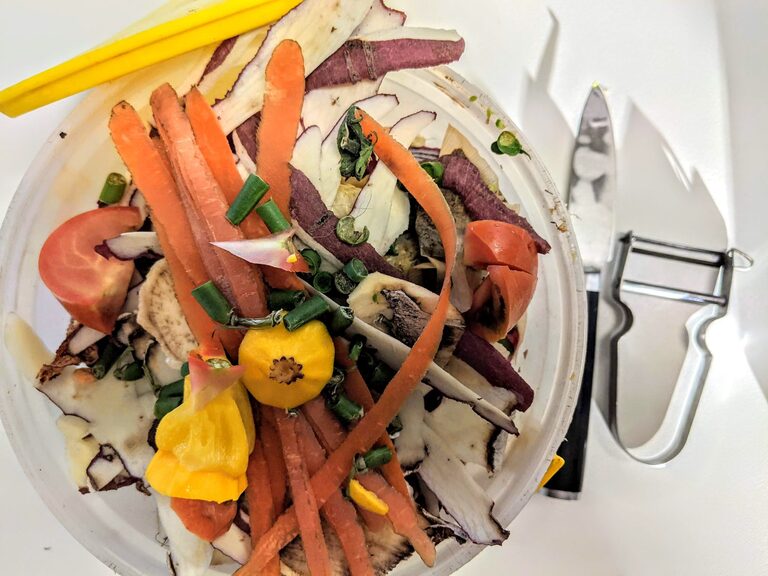
Composting turns food scraps like vegetable peels, coffee grounds, and eggshells into nutrient-rich soil fertilizer. This reduces the amount of waste sent to landfills.
Use Compostable Bags and Materials
If you’re new to composting, consider using compostable bags and educate yourself on what is suitable for your local composting system.
Educate the Whole Household
Creating awareness and habits around food waste can be more effective when everyone in the home participates.
Involve Family Members
Discuss the importance of reducing food waste and share tips with all family members. Children can learn early on to value food and waste less.
Track Your Waste
Consider keeping a food waste journal for a week to identify patterns and problem areas. This can help you make more targeted changes.
Conclusion
Reducing food waste is manageable and beneficial with simple adjustments to your shopping, storage, and eating habits. By planning meals, storing food properly, using leftovers creatively, managing portions, composting scraps, and involving your household, you contribute to a more sustainable lifestyle. Every effort counts in saving food, money, and the environment.
Start small today and watch how these changes can lead to a big impact over time.