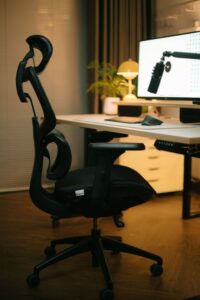
How to Choose a Comfortable Desk Chair for Your Home or Office

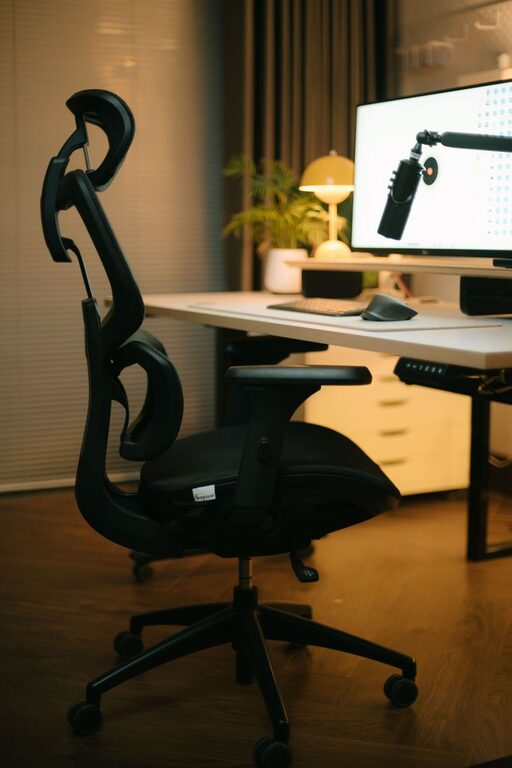
Choosing the right desk chair is essential for comfort and productivity, whether you work from home or in an office setting. Sitting for extended periods without proper support can lead to discomfort, poor posture, and even health issues. This guide offers practical tips to help you pick a comfortable desk chair that meets your needs and enhances your workspace.
Why a Comfortable Desk Chair Matters
A good desk chair supports your body, encourages good posture, and reduces strain on your back, neck, and shoulders. Comfort also improves focus and efficiency during work or study sessions. Investing time in selecting the right chair pays off with better well-being and productivity.
Key Factors to Consider When Choosing a Desk Chair
1. Ergonomic Design
Look for chairs designed with ergonomics in mind. Ergonomic chairs provide support where your body needs it the most, such as the lower back and hips. Features to check include:
– Lumbar Support: This supports the natural curve of your lower spine.
– Adjustable Seat Height: Ensures your feet rest flat on the floor.
– Adjustable Backrest: Allows you to change the tilt and angle for better comfort.
– Seat Depth and Width: Should accommodate your body size comfortably.
2. Seat Material and Padding
The chair’s material affects comfort and durability.
– Breathable Fabrics: Mesh or fabric allows air circulation, reducing sweating.
– Leather or Faux Leather: Easy to clean but may feel warm in hot weather.
– Padding: Choose a chair with enough cushioning to support your body without feeling too soft or too firm.
3. Mobility and Stability
Depending on your work style:
– Casters: If you move around your workspace often, look for smooth-rolling wheels.
– Swivel Base: A chair that swivels can increase ease of movement without straining.
– Stable Base: Five-point bases provide good stability and reduce tipping risk.
4. Adjustability
Chairs with multiple adjustment options help you fine-tune your seating position:
– Seat height adjustment
– Armrest height and width adjustments
– Backrest angle and tilt tension
– Headrest height and tilt (if included)
5. Size and Fit
Make sure the chair fits your body size. A chair that’s too small or too big can cause discomfort. Pay attention to maximum weight limits and recommended user height if specified.
6. Style and Aesthetics
While comfort is the priority, you’ll want a chair that matches your office decor. Desk chairs come in many styles, from modern minimalist to classic leather executives.
Tips for Testing a Desk Chair Before Buying
If possible, try the chair in person before making a purchase. Here’s what to look for during your test:
– Sit for at least 10-15 minutes to get a good feel.
– Check if your feet rest flat on the floor.
– See if the lumbar support feels natural.
– Adjust the settings to find your ideal position.
– Move around to test casters and swivel.
– Notice if any part of the chair causes pressure points or discomfort.
Maintaining Comfort Over Time
Even the best chair needs some care to stay comfortable:
– Clean fabric or leather periodically.
– Tighten screws and bolts to keep the chair stable.
– Replace worn-out padding or parts if possible.
– Take short breaks to stand or stretch frequently during long sitting sessions.
Budget Considerations
Comfortable desk chairs come in a wide range of prices. While budget options exist, investing in a higher-quality chair often means better durability and comfort. Consider your daily use and how much time you’ll spend sitting to decide on your budget wisely.
Popular Desk Chair Types to Explore
Here are some common types to consider:
– Task Chairs: Compact and adjustable, good for short to moderate sitting.
– Executive Chairs: Larger with more padding, often with leather upholstery.
– Ergonomic Chairs: Focused on health and support with many adjustment features.
– Kneeling Chairs: Encourage active sitting and improve posture.
– Saddle Chairs: Designed to reduce pressure and promote an open hip angle.
Final Thoughts
Choosing a comfortable desk chair involves balancing ergonomics, adjustability, material, and style to find the best fit for your body and workspace. Taking the time to evaluate these factors will help you avoid discomfort and stay productive throughout your day.
Remember, no chair is one-size-fits-all. Prioritize comfort and support, try before you buy if possible, and maintain your chair well for lasting benefits. Your back and focus will thank you!