
How to Build a Calming Morning Routine for a Peaceful Day

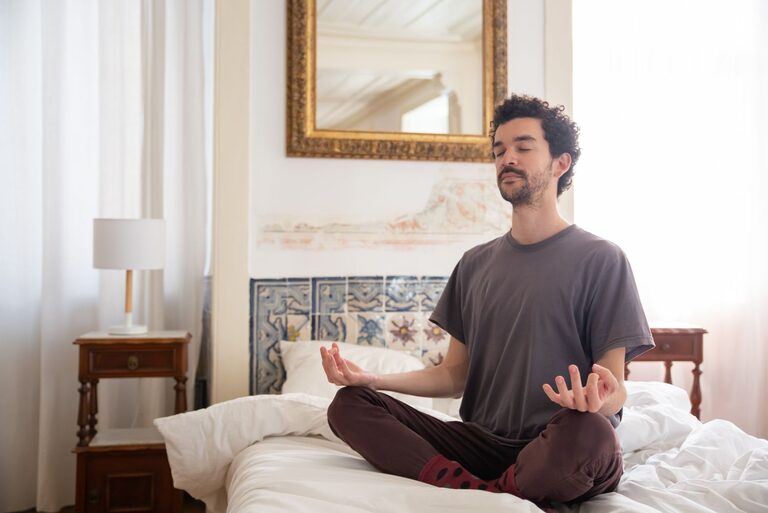
Starting your day in a calm and peaceful way can set a positive tone for the hours ahead. A calming morning routine helps reduce stress, improve focus, and create a sense of balance. Whether you are an early riser or someone who struggles to get going, crafting a morning routine tailored to your needs can make a big difference.
In this post, we will explore practical tips and strategies to build a calming morning routine that nurtures your mind and body.
Why a Calming Morning Routine Matters
How you begin your day directly affects your mood and productivity. Rushing, feeling stressed, or skipping self-care can create tension that lingers. On the other hand, a calm start helps you approach the day with clarity and confidence. Benefits include:
– Lower stress and anxiety
– Better focus and mental clarity
– Increased energy levels
– Improved emotional resilience
– Enhanced overall well-being
Even small changes to your morning habits can lead to noticeable improvements.
Step 1: Prepare the Night Before
A peaceful morning starts the evening before. Taking a few simple actions at night can make mornings smoother.
– Set a consistent bedtime to ensure you get enough rest.
– Limit screen time at least 30 minutes before bed to improve sleep quality.
– Lay out clothes and pack essentials so you don’t have to rush finding things.
– Write down important tasks or goals for the next day to reduce mental clutter.
Preparing ahead reduces decision fatigue and creates a calmer transition from sleep to wakefulness.
Step 2: Wake Up Gently
Instead of jumping out of bed to loud alarms or bright lights, try these gentler ways to wake up:
– Use a sunrise alarm clock which gradually increases light to mimic natural sunrise.
– Allow yourself a few minutes to stretch or breathe deeply before rising.
– Avoid immediately checking your phone or emails, which can trigger stress.
A slow, mindful waking process helps ease your body and mind into the day.
Step 3: Hydrate and Nourish
After hours without water, your body needs rehydration. Drinking a glass of water first thing can boost alertness and digestion.
For breakfast, choose foods that are both nourishing and easy on your system:
– Whole grains like oatmeal or whole wheat toast
– Fresh fruit or vegetables
– Protein such as yogurt, eggs, or nuts
Avoid heavy or sugary meals that may cause energy crashes later.
Step 4: Incorporate Mindfulness or Meditation
Taking even 5 to 10 minutes to practice mindfulness or meditation can center your thoughts and calm your nervous system.
Try these simple methods:
– Focused breathing: Sit comfortably, breathe slowly and deeply, paying attention to each breath.
– Body scan: Mentally scan your body from head to toe, noticing any tension and consciously releasing it.
– Guided meditation apps: Use apps like Headspace or Calm for beginner-friendly sessions.
Mindfulness helps you stay present and reduces feelings of overwhelm.
Step 5: Gentle Movement to Wake Up Your Body
Physical activity in the morning stimulates circulation and lifts your mood. It doesn’t need to be intense; choose what feels good for you.
Suggestions include:
– Gentle yoga stretches or poses
– A short walk outside to enjoy fresh air and nature
– Simple calisthenics like neck rolls, shoulder shrugs, and ankle rotations
Moving mindfully helps connect your body and mind and primes you for the day ahead.
Step 6: Limit Screen Time and Digital Distractions
Morning screen time can quickly lead to stress or distraction. Consider these tips:
– Avoid checking social media or emails until after your routine.
– If you use your phone for meditation or music, keep usage focused and intentional.
– Set a specific time to begin work or daily tasks rather than jumping in immediately.
Creating a buffer between waking and digital devices encourages a calm mindset.
Step 7: Create a Positive Intention for the Day
Before moving on with your day, take a moment to set a positive intention. This could be:
– A simple affirmation like “I will approach today with patience and kindness.”
– A goal such as “I will focus on one task at a time.”
– A gratitude note to yourself or the world for something meaningful.
Writing down or silently repeating your intention helps anchor your mindset and actions.
—
Sample Calming Morning Routine
Here’s an example of a 30-minute morning routine you can adjust to fit your schedule:
- Wake gently with a sunrise alarm clock (5 minutes)
- Drink a glass of water (2 minutes)
- Mindful breathing or meditation (10 minutes)
- Gentle yoga stretches (8 minutes)
- Healthy breakfast (5 minutes)
Remember, it’s important to personalize your routine. Start with small steps and build gradually.
—
Tips for Maintaining Your Morning Routine
Building a new habit takes patience. Keep these tips in mind:
– Be flexible: Life happens, and routines can adapt. The goal is calm, not perfection.
– Track your progress: Use a journal or app to note what works and what doesn’t.
– Celebrate small wins: Every time you complete your routine, acknowledge the effort.
– Adjust as needed: Modify timing or activities based on your feelings and lifestyle.
Creating a calming morning routine is an investment in your daily well-being. With practice, it becomes a natural and enjoyable part of your life.
—
Starting your day with intention and calm can transform your overall experience. Try incorporating these steps and watch how a peaceful morning influences your day in positive ways.