How to Start a Small Herb Garden Indoors: A Beginner’s Guide

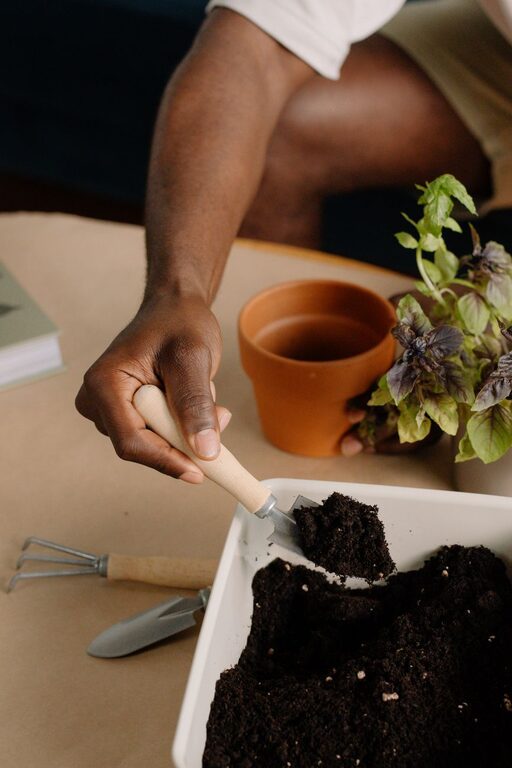
Starting a small indoor herb garden is a rewarding way to enjoy fresh flavors in your cooking, bring greenery into your space, and develop a new hobby without needing a large yard. With just a few supplies and a bit of care, you can grow herbs right on your windowsill or kitchen counter. This guide covers everything from selecting the right herbs and containers to providing the best growing environment.
Why Grow an Indoor Herb Garden?
Growing herbs indoors offers several benefits:
– Convenience: Fresh herbs are always within reach for cooking.
– Year-round access: Grow herbs regardless of the season or outdoor weather.
– Space-saving: Ideal for apartments or homes without outdoor garden space.
– Air quality: Plants can help improve indoor air.
– Cost-effective: Saves money compared to buying fresh herbs frequently.
Choosing the Right Herbs for Indoor Gardening
Not all herbs are equally suited to indoor growth. Some thrive better inside due to their light and care requirements.
Best Herbs for Beginners
– Basil: Needs plenty of light, ideal for sunny windows.
– Mint: Very easy to grow, but can spread quickly—use separate pots.
– Parsley: Prefers moderate light and consistent watering.
– Thyme: Tolerates less light and dry conditions.
– Chives: Small and low-maintenance, perfect for indoors.
– Oregano: Requires good light and well-drained soil.
Tips for Selecting Herbs
– Start with 3-5 herbs to keep your garden manageable.
– Choose herbs you use frequently in cooking.
– Consider your available light when picking herbs (some need more sun than others).
Setting Up Your Indoor Herb Garden
1. Choose Suitable Containers
Select containers with good drainage holes to prevent overwatering.
– Pots: Terra cotta, ceramic, or plastic pots work well.
– Recycled containers: Teacups, mason jars, or small buckets can be repurposed.
– Ensure each pot has drainage holes or add a layer of small stones at the bottom.
2. Select the Right Soil
Use a light, well-draining potting mix designed for herbs or indoor plants. Avoid heavy garden soil, which can retain too much moisture.
3. Find the Perfect Location
Most herbs need 6-8 hours of sunlight daily.
– South-facing windows typically provide the best light.
– If natural light is limited, consider supplementing with a grow light.
– Avoid placing herbs near heat vents or drafty windows.
Planting Your Herbs
You can start your garden from seeds or buy young herb plants at a nursery.
– From Seeds: Follow seed packet instructions, usually involving sowing seeds on or just below the surface of moist soil.
– From Seedlings: Transplant young plants gently into your containers, firming the soil around roots.
Water the soil lightly after planting.
Caring for Your Indoor Herbs
Watering
– Water when the top inch of soil feels dry.
– Avoid overwatering, which can lead to root rot.
– Use room temperature water for best results.
Lighting
– Rotate pots each week to ensure even light exposure.
– If using grow lights, keep them on for 12-16 hours daily.
Feeding
– Fertilize herbs every 4-6 weeks during the growing season.
– Use a balanced, water-soluble fertilizer diluted to half strength.
Pruning and Harvesting
– Regularly pinch back herbs to promote bushier growth.
– Harvest leaves carefully; take no more than one-third of the plant at a time.
– Remove any yellow or dead leaves promptly.
Dealing with Common Indoor Herb Challenges
– Leggy Plants: Usually caused by insufficient light. Move plants closer to a window or add grow lights.
– Yellow Leaves: May indicate overwatering or poor drainage.
– Pests: Watch for aphids or spider mites. Treat with insecticidal soap or wipe leaves with a damp cloth.
Tips for Success
– Group herbs with similar light and water needs together.
– Use labels to keep track of different plants.
– Maintain good airflow to prevent mold and mildew.
– Be patient; some herbs grow slowly at first but will flourish with time.
Conclusion
Starting a small indoor herb garden is a fun and accessible way to add fresh flavors to your kitchen and brighten your living space. With a bit of planning and care, even beginners can cultivate thriving pots of basil, mint, parsley, and more. Experiment with different herbs and find the combination that suits your taste and environment best.
Happy gardening!